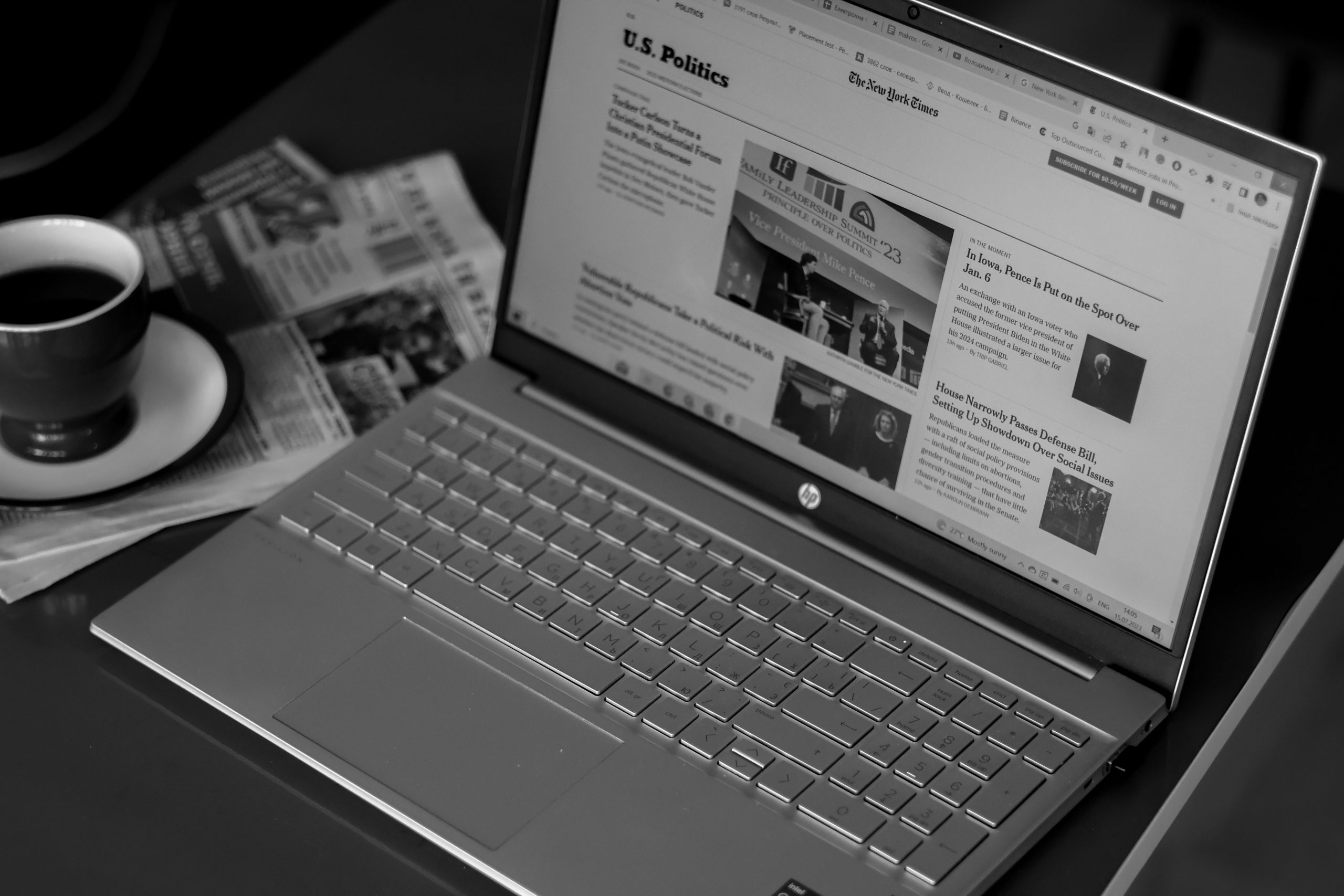
Entertainment journalism runs on details an automated rewrite cannot supply: the pause before an actor answers, the odd comparison a director reaches for, the critic’s carefully earned enthusiasm, the reporter’s sense of what matters beyond the press release. AI can help tidy a sentence. It cannot replace the judgment that made the sentence worth writing.
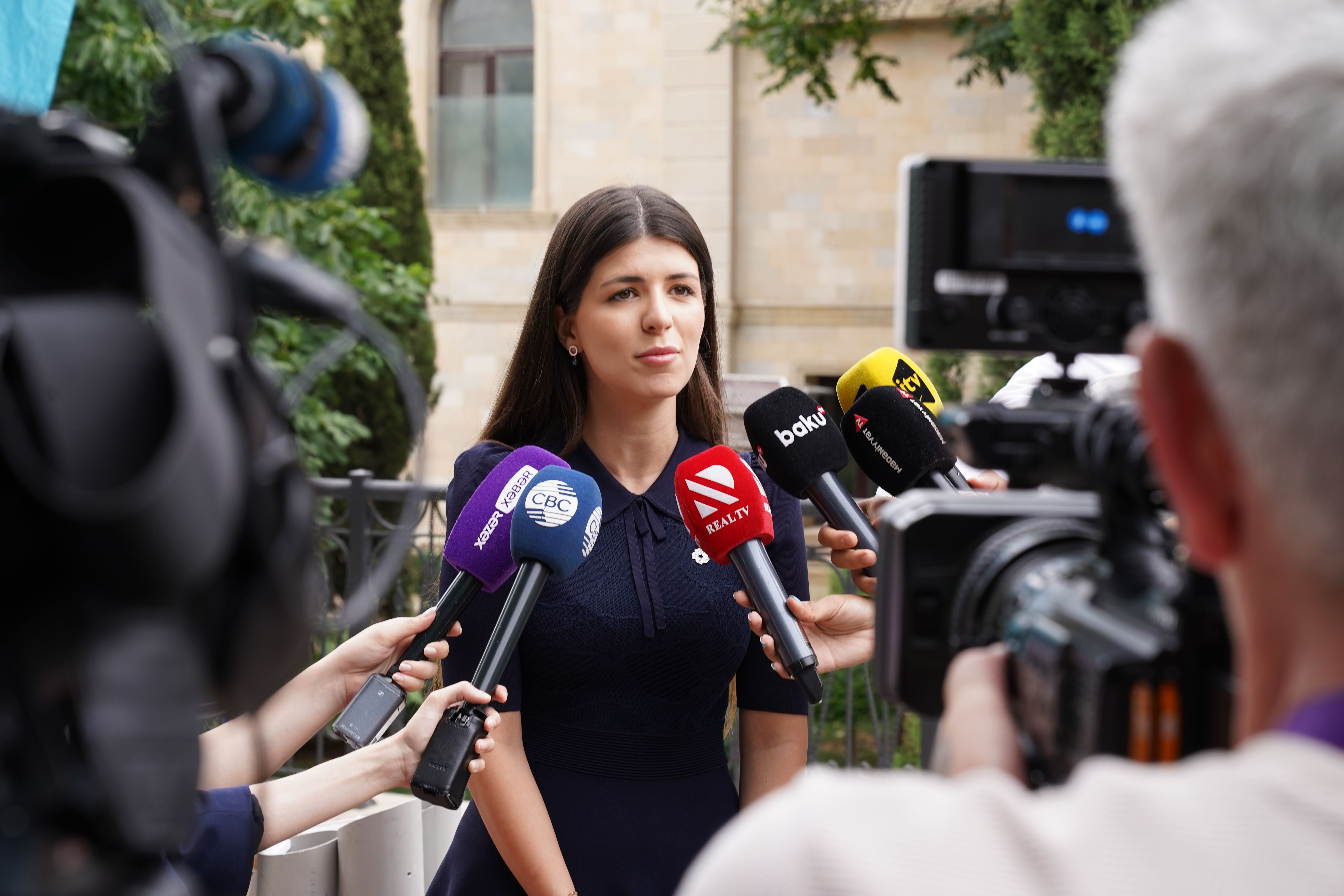
That is the useful boundary for entertainment journalists experimenting with AI paraphrasing tools: let software help with expression after reporting, not invent the reporting or decide what the story means. Used narrowly, a paraphrasing tool can offer alternate phrasing for a clumsy passage. Used as an automatic rewrite button, it tends to sand away the very voice that distinguishes one review, interview or cultural analysis from another.
The difference between a cleaner sentence and a different story
Paraphrasing is routine journalism. Reporters turn spoken answers into accurate reported speech, summarize long explanations and make dense context readable. But a paraphrase is not just a sentence with different synonyms. It must preserve meaning, attribution and proportion.
That distinction matters in entertainment coverage, where a slight change can turn a qualified answer into a definitive announcement, or make a performer sound more enthusiastic, hostile or certain than they were. A model may produce fluent copy while quietly shifting emphasis. Fluency is not verification.
The Reuters Institute’s 2025 survey across six countries found that 55% of respondents were comfortable with AI used for spelling and grammar, compared with 30% for rewriting content for different audiences. The report also found 43% were comfortable when a human led the news production with some AI help, versus 62% for entirely human-made news. The gap is a reminder that readers distinguish between assistance and authorship, even when the resulting sentences look equally polished. (Reuters Institute, 7 October 2025.)
A voice-preserving workflow
Start with the reported material, not with a blank prompt. Keep the interview recording or notes, verified names and dates, and a draft you wrote yourself. Ask for a narrow change: shorten this sentence without changing its meaning; offer three more conversational alternatives; make this transition clearer while keeping the quoted language untouched.
That kind of request gives the journalist something to judge. A broad instruction such as “rewrite this in an engaging entertainment-news style” asks the system to choose tone and emphasis on your behalf. Its default idea of “engaging” may mean more hype, more certainty and fewer of the specific observations that make the piece yours.
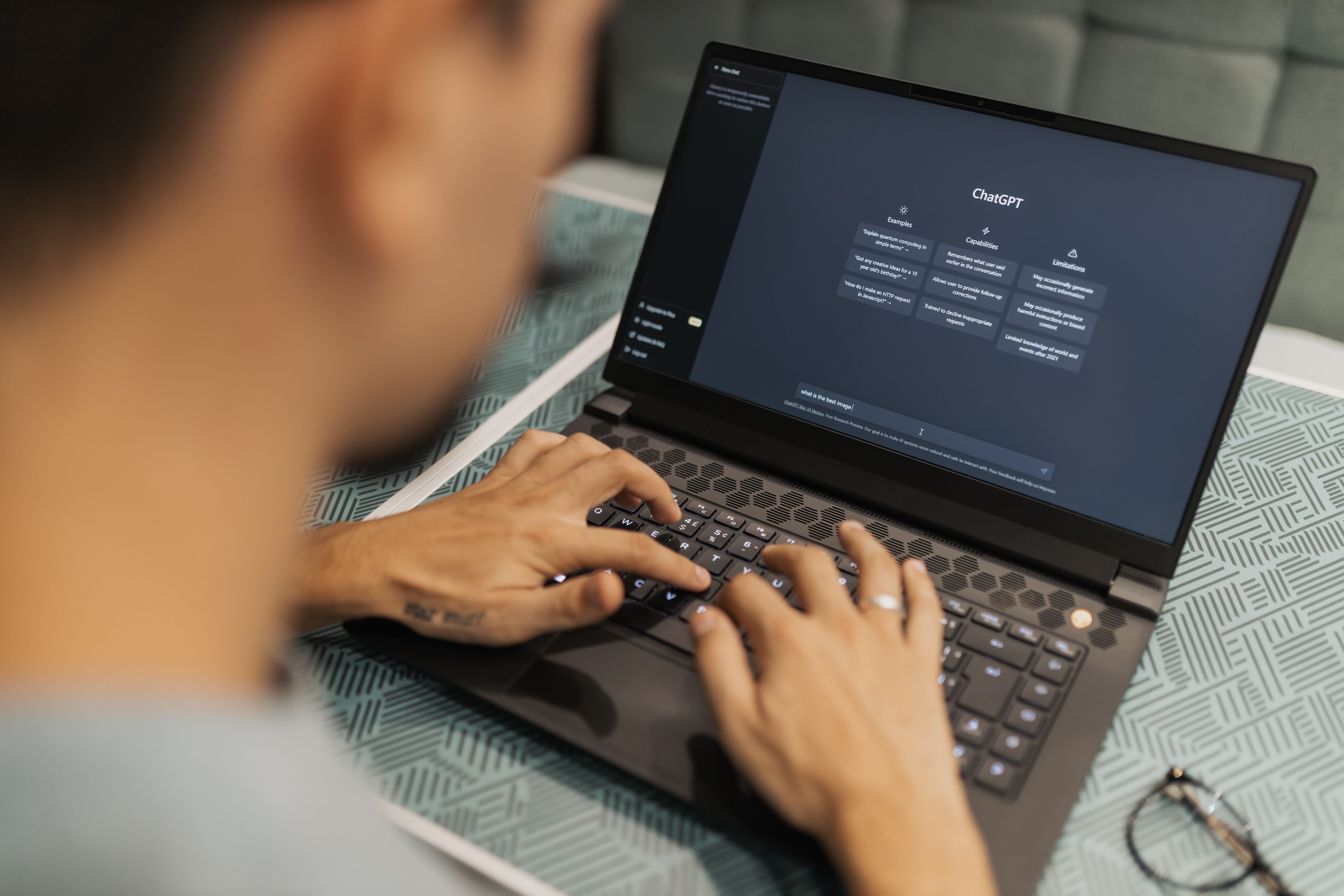
One useful editing test is to compare the original and suggested versions for more than word choice. Did the rewrite add an adjective that makes a performance sound “iconic” or a film “groundbreaking” without evidence? Did it turn “the actor said the project may continue” into “the franchise is returning”? Did it drop a caveat or change who made a claim? If so, reject the output or rebuild the sentence from your notes.
- Use AI for options, not decisions. Ask for a few alternatives to a sentence you have already reported and drafted.
- Keep quotes out of the rewrite. Direct quotations should match the recording or transcript, not a model’s reconstruction.
- Check every factual detail again. Names, titles, release dates, credits and claims need confirmation against reliable sources.
- Read the passage aloud. If it sounds like a generic trailer voice rather than your own critical register, edit it back.
Quotes are not raw material for a paraphraser
Keep direct quotes separate from copy you are asking a tool to revise. A paraphrasing model may subtly “improve” grammar, combine separate thoughts or replace an unusual phrase with a smoother one. That can create words the interview subject never said.
Reuters’ journalistic standards say quotes are sacrosanct and should not be altered in a way that changes meaning; its guidance also emphasizes context and accurate attribution. If an answer is hard to follow, use a faithful paraphrase in your own narration rather than putting a reconstructed sentence inside quotation marks. (Reuters Journalistic Standards.)
The same caution applies to press releases, rival publications and other people’s reviews. A tool should not be used to disguise someone else’s reporting as original copy. Go back to the underlying source, verify the facts independently and attribute information that came from another outlet. Changing the wording does not change where the information came from.
Protect the sound of the byline
Voice is more than a collection of quirky phrases. It comes through in what the journalist notices, the order in which evidence appears, the balance between a sharp line and a fair one, and the degree of certainty the facts support. A model can imitate surface style; it cannot take responsibility for those choices.
For a review, that means the tool may help trim repetition, but the critic decides whether a slow second act is a flaw or a deliberate choice. For a festival interview, it may suggest a clearer transition, but the reporter decides which exchange reveals something new. For breaking casting news, it may compress background, but a journalist still checks the announcement and distinguishes confirmed information from industry chatter.
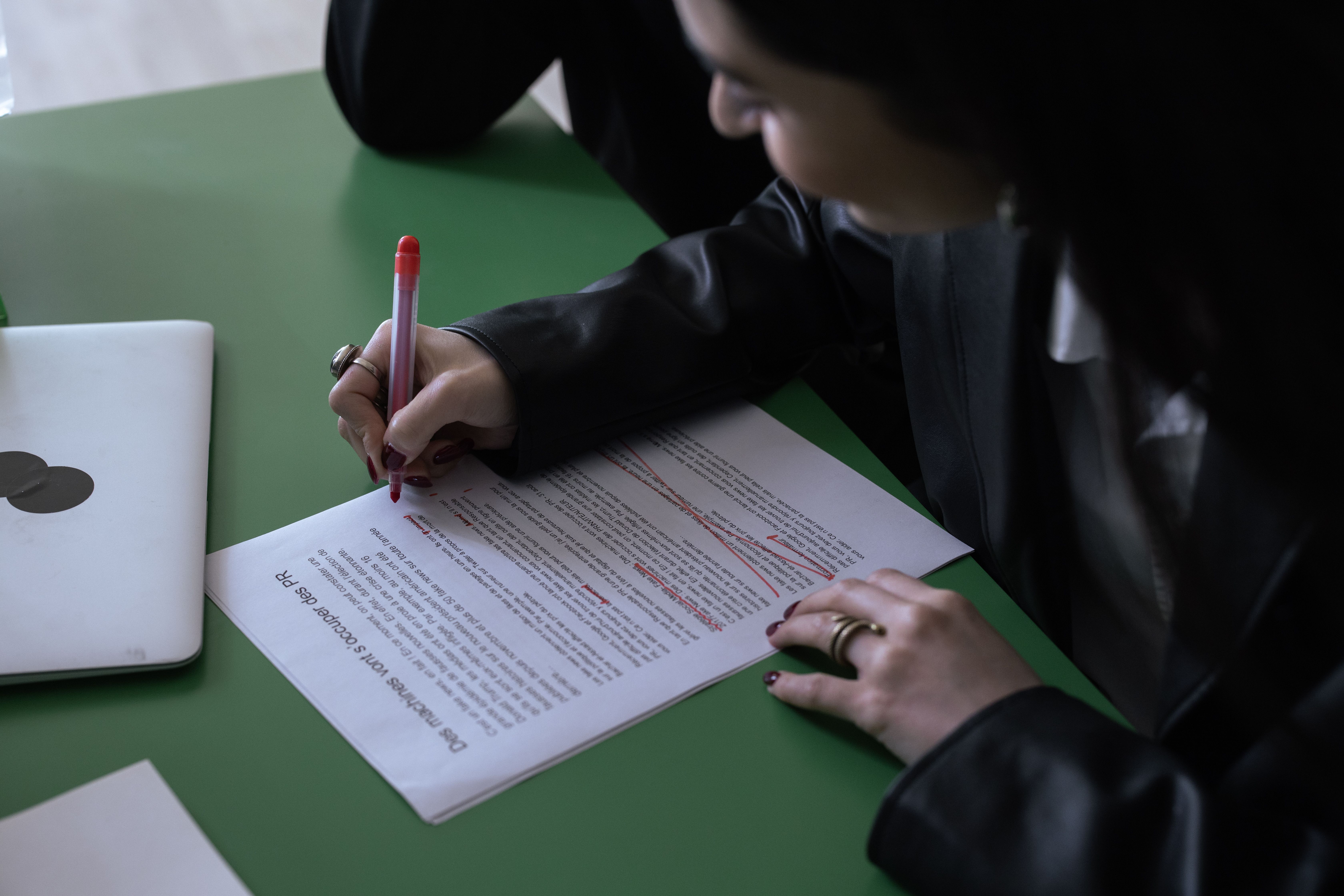
I would treat an AI rewrite as an editing suggestion from a very fast, very confident junior colleague: useful for generating possibilities, not qualified to sign off on the copy. The final pass should be human, with the notes and source material close at hand. That is where a journalist catches the subtle shift in meaning, restores the detail a generic rewrite cut, and decides whether the sentence sounds like the person whose name is on the story.
Let the tool help with the sentence, not the byline
Entertainment journalists do not have to choose between refusing every AI feature and handing over their style. They can use paraphrasing tools as constrained line-editing aids: give them a draft, request limited alternatives, verify the results, preserve quotes, and make the final decisions themselves.
The rule is simple: if the tool makes a sentence clearer without changing what you know, it may have helped. If it changes what the story says, how certain it sounds or what readers hear in your voice, the rewrite has gone too far.
